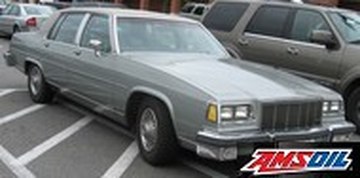
1980 Buick ELECTRA Oil Change and Maintenance Guide
ABOUT THIS VEHICLE AND ENGINE
The 1980 Buick Electra represents a specific era of American full-size luxury vehicles. This particular model is equipped with a 5.7L Diesel engine, identified by the [N] engine code. As a diesel application, this vehicle operates on different principles than standard gasoline engines, making specialized attention to fluid maintenance and system inspections essential for long-term operation.
Maintaining a large-displacement diesel engine from this period requires an understanding of its specific mechanical needs. Because these engines were designed during a transitional period in automotive history, adhering to proper lubrication and cooling practices is vital for preserving the integrity of the engine components.
CHOOSING ENGINE OIL
Selecting the correct lubricant for your 1980 Buick Electra is a critical step in routine maintenance. Because different engines have unique requirements regarding additive packages and chemical compositions, you should match the engine oil to the application-specific viscosity information shown above on this page.
When choosing a product, consider the following factors:
- Oil Type: Depending on your specific needs, you may choose between conventional oil, synthetic blends, or full synthetic oils. Synthetic oils often provide enhanced thermal stability and oxidation resistance.
- High-Mileage Formulations: Some high-mileage oil formulations contain additives intended for use in aging engines. These may include seal-conditioning additives designed to help maintain the integrity of older components.
- API Certification: Always look for oils that meet the appropriate API (American Petroleum Institute) service classifications to ensure the lubricant provides adequate deposit control and engine protection.
- Cleanliness: High-quality oils are engineered to manage contaminants and prevent the buildup of sludge or other deposits within the engine.
WHY ENGINE OIL MAINTENANCE MATTERS
Regular oil changes are fundamental to the longevity of any engine. The primary role of engine oil is to provide lubrication, which reduces friction between moving internal parts. This reduction in friction is essential for protecting bearings and other critical components from premature wear.
Beyond lubrication, the oil plays a significant role in heat management by helping to dissipate thermal energy away from high-temperature areas. Furthermore, fresh oil maintains its ability to suspend contaminants, preventing them from settling as sludge or forming hard deposits that can restrict fluid flow. Consistent maintenance helps ensure that the engine operates with the intended levels of protection during both cold starts and sustained operation.
AGE-RELATED MAINTENANCE
As a vehicle from 1980, the Electra may require more frequent visual inspections of age-sensitive components. When performing 1980 Buick Electra maintenance, it is wise to look for signs of deterioration that naturally occur over several decades.
Key areas for inspection include:
- Gaskets and Seals: Inspect accessible gaskets and seals for signs of age-related seepage or leakage.
- Rubber Components: Check the condition of hoses and, if equipped, any visible drive belts for cracking, glazing, or fraying.
- Cooling System: Examine the cooling system for evidence of leaks or signs of previous overheating.
- Electrical Integrity: Inspect electrical connections and wiring for corrosion or brittle insulation.
- Air Filtration: Ensure the air filtration system is clean to prevent debris from entering the engine intake.
WHAT TO INSPECT DURING AN OIL CHANGE
An oil change provides an ideal opportunity to perform a broader inspection of the vehicle's undercarriage and engine compartment. During a 1980 Buick Electra oil change, consider checking the following:
- Drain Plug and Washer: Verify the condition of the drain plug and the sealing washer to prevent leaks.
- Filter Area: Inspect the oil-filter sealing area for any signs of seepage.
- Fluid Integrity: Look for evidence of leaks around various engine components and connections.
- System Components: Check the condition of accessible hoses and, if equipped, drive belts.
- General Cleanliness: Look for signs of neglected maintenance, such as excessive buildup of grime or debris, which can hide developing leaks.
OIL-RELATED WARNING SIGNS
While many issues are not immediately apparent, certain symptoms warrant closer investigation. If you notice any of the following, it may indicate a need for professional diagnostic attention:
- Unexplained Oil Loss: A significant drop in oil levels between service intervals should be investigated.
- Visible Leakage: Puddles under the vehicle or heavy staining on engine components can indicate failing seals or gaskets.
- Abnormal Appearance: If the oil appears excessively dark, gritty, or contains visible metallic contamination, it may suggest internal wear or improper lubrication.
- Unusual Noises: Any new or changing engine noises can be associated with lubrication issues.
- Odors: A burning-oil odor may indicate that oil is contacting a hot surface.
It is important to remember that these symptoms can have multiple causes; therefore, they should be treated as indicators for further inspection rather than definitive diagnoses of a single failed part.
VEHICLE HISTORY AND LONG-TERM OWNERSHIP
Owning a classic vehicle like the 1980 Buick Electra requires a proactive approach to maintenance. For long-term reliability, maintaining detailed service records is highly beneficial. These records help track the history of repairs and identify patterns in component wear.
When managing an older vehicle, pay close attention to replacement-part verification. Ensuring that any new components match the original specifications for a 1980 diesel engine is vital. Additionally, be mindful of age-sensitive rubber components and the overall condition of the cooling system, as these are critical to preventing major mechanical issues caused by heat or fluid loss.
MAINTAINING AN OLDER 1980 BUICK ELECTRA
Preventative inspection is the most effective tool for maintaining an older vehicle. As components age, they become more susceptible to environmental factors and mechanical stress. Regular checks of the cooling system, air filtration, and electrical connectors can help identify potential issues before they lead to a breakdown.
Furthermore, monitoring for signs of neglected maintenance—such as old, brittle hoses or heavily contaminated fluids—can prevent much larger repair costs. Consistent attention to the engine's lubrication and cooling needs remains the cornerstone of preserving this vehicle's operational capability.
BUYING ENGINE OIL FOR THE 1980 BUICK ELECTRA 5.7L
When purchasing supplies for your Buick Electra engine oil needs, prioritize quality and compatibility. Always select a reputable brand that meets the appropriate API certifications for your application.
Depending on your vehicle's current condition and your maintenance preferences, you may choose between conventional, synthetic blend, or full synthetic oils. For aging engines, some owners find that high-mileage formulations are beneficial due to their specific additive packages. Most importantly, ensure you match the oil to the application-specific viscosity information already displayed on this page to guarantee proper lubrication for your 5.7L diesel engine.